Freelancing Guideline

This is default featured slide 1 title

Go to Blogger edit html and find these sentences.Now replace these sentences with your own descriptions.This theme is Bloggerized by Lasantha Bandara - Premiumbloggertemplates.com.

This is default featured slide 2 title

Go to Blogger edit html and find these sentences.Now replace these sentences with your own descriptions.This theme is Bloggerized by Lasantha Bandara - Premiumbloggertemplates.com.

This is default featured slide 3 title

Go to Blogger edit html and find these sentences.Now replace these sentences with your own descriptions.This theme is Bloggerized by Lasantha Bandara - Premiumbloggertemplates.com.

This is default featured slide 4 title

Go to Blogger edit html and find these sentences.Now replace these sentences with your own descriptions.This theme is Bloggerized by Lasantha Bandara - Premiumbloggertemplates.com.

This is default featured slide 5 title

Go to Blogger edit html and find these sentences.Now replace these sentences with your own descriptions.This theme is Bloggerized by Lasantha Bandara - Premiumbloggertemplates.com.

How to Create Profile Backlinks – A Beginner's Guide

 How to Create Profile Backlinks – A Beginner's Guide

In the world of SEO, backlinks are like digital votes of confidence. One of the easiest and most effective ways to build backlinks—especially for beginners—is through profile backlinks. You create these links by signing up on various websites and placing your URL in your profile. But how do you do it the right way? Let’s break it down.

What Are Profile Backlinks?

Profile backlinks are backlinks created by adding your website URL to your user profile on forums, directories, social media sites, and other online platforms. While they are typically nofollow, they still play a key role in diversifying your backlink profile and improving your website’s trust and visibility.

Backlink, seo backlink,link buildings


Why Profile Backlinks Matter

Here are a few reasons profile backlinks are worth your time:

  • Easy to create – No need to write long content.
  • Safe for SEO – If done naturally, they won’t harm your site.
  • Good for indexing – Help search engines find and crawl your website.
  • Brand exposure – Put your website in front of a new audience.

Step-by-Step: How to Create Profile Backlinks

1. Find High-Authority Sites

Look for trusted websites in your niche or with high domain authority (DA). You can use tools like Ahrefs, Moz, or a simple Google search like:

lua

CopyEdit

“create profile” + “your niche”

“sign up” + “forum” + “your keyword”

Examples:

  • Reddit
  • Quora
  • Medium
  • Crunchbase
  • Behance
  • About.me

2. Register and Set Up Your Profile

Sign up and verify your account. Once you're logged in, complete your profile:

  • Add a professional name or brand.
  • Write a short bio with relevant keywords.
  • Most importantly: Insert your website URL in the website or bio section.

3. Stay Active (Optional but Recommended)

Some platforms remove inactive users. Try to stay active by engaging with posts, sharing content, or commenting.

4. Keep a Record

Create a spreadsheet to keep track of:

  • Website name
  • DA (Domain Authority)
  • URL of your profile
  • Login info (optional)

5. Avoid Spammy Sites

Don’t create backlinks on low-quality or spam-filled websites. It can hurt your SEO instead of helping.

Best Practices for Profile Backlinks

  • Don’t overdo it – Quality matters more than quantity.
  • Use different anchor texts – Natural variations look more organic to Google.
  • Update your profiles – Keep them fresh and consistent across platforms.

Final Thoughts

Profile backlinks are a simple but powerful tool to boost your SEO efforts. They can enhance your website’s visibility, authority, and indexing rate when done correctly. Start slow, focus on high-quality sites, and build naturally over time.


Off-Page SEO: A Comprehensive Tutorial for Success

 The importance of search engine optimization (SEO) in the ever-evolving world of digital marketing cannot be overstated. The goal of on-page SEO is to optimize the content and structure of your website, whereas off-page SEO aims to improve your website's reputation and visibility online. This tutorial will explain what off-page SEO is, why it's important, and how you can master it for long-term success.


What Is Off-Page SEO?

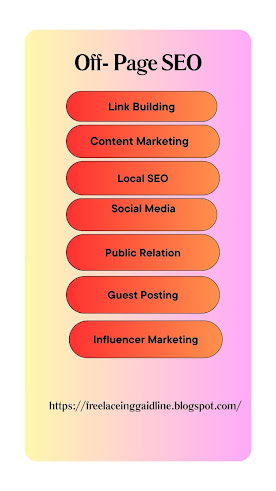
Off-page SEO refers to all activities that take place outside of your website to improve your search engine rankings. It includes tactics like backlink building, social media marketing, influencer outreach, and online branding. As a result of these strategies, search engines determine that your website is trustworthy, authoritative, and worthy of ranking higher on search results pages.

Off Page SEO,SEO Backlink, LInk Building


Why Is Off-Page SEO Important?

Search engines like Google use off-page signals—especially backlinks—to evaluate the authority of a website. A site with many high-quality backlinks is seen as more valuable and credible. Off-page SEO:

  • Increases your domain authority
  • Boosts keyword rankings
  • Drives referral traffic
  • Builds trust with search engines and users

Top Off-Page SEO Techniques

1. Link Building

Backlinks are the backbone of off-page SEO. When reputable websites link to yours, search engines view your site as credible.

  • Guest Posting: Write articles for authoritative blogs in your niche.
  • Broken Link Building: Find and replace broken links on other sites with your content.
  • Resource Pages: Get listed on curated pages with useful resources.

2. Social Media Engagement

Being active on social media boosts visibility and traffic. Shares, likes, and comments signal user engagement to search engines.

  • Share content regularly
  • Engage with followers
  • Collaborate with influencers

3. Online Brand Mentions

Even unlinked brand mentions can contribute to SEO by strengthening your brand’s authority.

  • Get mentioned in forums, news outlets, and blogs
  • Use tools like Google Alerts or Brand24 to monitor mentions

4. Forum Posting & Community Engagement

Answering questions and contributing value in forums like Quora, Reddit, or niche-specific communities can establish authority.

  • Include your website link naturally in your profile or posts
  • Avoid spamming—focus on being helpful

5. Influencer Outreach

Work with influencers in your niche to get quality backlinks and social proof.

  • Send personalized messages
  • Offer value in exchange for collaboration

How to Measure Off-Page SEO Success

Tracking your off-page SEO performance is essential for refining your strategy. Use tools like:

  • Ahrefs or SEMrush: Check backlinks, referring domains, and authority scores
  • Google Search Console: Monitor link traffic and impressions
  • Moz Link Explorer: Analyze domain and page authority

Best Practices for Long-Term Success

  • Focus on quality over quantity when building backlinks.
  • Stay consistent with your efforts—off-page SEO is a long-term game.
  • Build genuine relationships in your niche.
  • Avoid black-hat tactics like link farms or paid backlinks.

Conclusion

Off-page SEO is a powerful way to build your website’s credibility, visibility, and traffic. By using ethical and effective strategies—like backlink building, social engagement, and influencer outreach—you can boost your search engine rankings and grow your brand’s online presence. Start small, stay consistent, and watch your efforts pay off over time.


Need help with your off-page SEO strategy? Let’s talk! I offer tailored SEOservices including blog commenting, high-authority backlinks, and social media engagement.


How to create SEO backlink in your website

                          SEO Backlinks

SEO backlinks refer to hyperlinks from one website to another. Backlinks are very important for SEO because they indicate to search engines the credibility, relevance, and popularity of a website. They act as a "vote of confidence". Backlinks can significantly improve a site's search engine ranking and increase its online visibility.
Types of SEO Backlinks
There are different types of SEO backlinks. For example..

                                  1.  Blog Commenting

  2.  Social Bookmarks

                                  3.  Article submission

                                  4.  Web 2.0

                                  5.  Guest Post Backlinks

  6.  Image Backlinks

                                  7.  Video Backlinks

                                  8.  pdf submission

                                  9.  Directory Page Link Building

                                 10.  Editorial Backlinks

Read More: About Off-Page SEO


 Today we will learn how to do Blog Commenting

Blog commenting is when readers engage with a blog post by leaving their thoughts, opinions, or reactions in the comments section below the post and hyperlinking a link to their own website to the comment.

 Formula for niche-related blog commenting websites

       keyword"Powered by blogger"

       Keyword “Leave a comment”

       Keyword “Comment here”

       Keyword “Add comment”

       Keyword “Powered by WordPress”

       Keyword “You may use these HTML tags and attributes”

       Keyword “Post a comment”

       Keyword “Notify me of follow-up comments ”

       Keyword “Notify me of new posts”

       Keyword “Leave a Reply”

Let's say my keyword is digital marketing, so I will type in the Google search bar - digital marketing "Powered by blogger" and a window like the image below will open.

seo backling, seo backlink list, blog commenting,

I will comment with a link to my website in the comments section of the blog site I searched for. 


The formula for writing comments is.

HTML Formula: <a href="website links">Keyword</a>

If my website links -https://freelaceinggaidline.blogspot.com and Keyword- are data entry then I will write comments like the formula below.

<a href="https://freelaceinggaidline.blogspot.com/">data entry</a>


Off-Page SEO: The Ultimate Guide

                    Off-Page SEO: The Ultimate Guide

Introduction:

In the ever-evolving landscape of search engine optimization (SEO), off-page SEO holds a significant position. While on-page SEO focuses on optimizing elements within your website, off-page SEO revolves around activities done outside your website to improve its search engine ranking. This comprehensive guide aims to delve into the intricacies of off-page SEO, elucidating its importance, key strategies, and best practices to enhance your website's visibility and authority in the digital realm.


Understanding Off-Page SEO:

Off-page SEO encompasses various techniques and strategies aimed at enhancing a website's authority, relevance, and trustworthiness in the eyes of search engines. Unlike on-page SEO, which involves optimizing factors within the website itself, off-page SEO primarily deals with external signals and factors that influence a website's ranking in search engine results pages (SERPs). These external factors are crucial indicators of a website's popularity, credibility, and relevance within its niche or industry.


SEO, Off page SEO, freelancing guideline


The Importance of Off-Page SEO:

Off-page SEO plays a pivotal role in determining a website's position in search engine rankings. Search engines, such as Google, consider off-page factors as key indicators of a website's authority and trustworthiness. Websites with a robust off-page SEO profile are more likely to rank higher in SERPs and attract organic traffic from relevant search queries. Moreover, off-page SEO helps establish a website's reputation within its industry, fostering credibility and brand recognition.


Key Components of Off-Page SEO:


Backlink Building:

Backlinks, also known as inbound links, are links from external websites that point to your website. They serve as a vote of confidence or endorsement from other websites, signaling to search engines that your content is valuable and authoritative. Quality backlinks from reputable websites can significantly impact your website's search engine ranking and organic traffic. However, it's crucial to focus on acquiring high-quality backlinks from relevant sources, as spammy or irrelevant backlinks can harm your website's reputation and ranking.


Social Media Engagement:

Social media platforms have become integral channels for off-page SEO. Active engagement on social media not only helps amplify your content and reach a broader audience but also generates social signals that influence search engine rankings. Sharing content, interacting with followers, and participating in relevant discussions can enhance your website's visibility and authority. Additionally, social media profiles often rank in search engine results, providing another avenue for users to discover your website.


Content Marketing:

Creating high-quality, informative, and engaging content is fundamental to off-page SEO success. Compelling content not only attracts backlinks from other websites but also encourages social sharing and engagement. By producing valuable content that addresses the needs and interests of your target audience, you can establish your website as a trusted resource within your industry. Content marketing strategies such as guest blogging, infographics, videos, and podcasts can help broaden your reach and attract organic traffic.


Online Reputation Management:

Managing your online reputation is crucial for effective off-page SEO. Building and maintaining a positive online reputation involves monitoring and responding to customer reviews, addressing negative feedback or complaints promptly, and showcasing positive testimonials and endorsements. A strong online reputation not only enhances your website's credibility but also fosters trust among potential customers and clients. Positive sentiment surrounding your brand can lead to increased organic traffic and improved search engine rankings.


Best Practices for Off-Page SEO:


Focus on Quality Over Quantity:

When it comes to backlinks, prioritize quality over quantity. Instead of pursuing a large number of low-quality backlinks, concentrate on acquiring backlinks from authoritative and relevant websites within your industry. Quality backlinks from reputable sources carry more weight in the eyes of search engines and are more likely to positively impact your website's ranking.


Diversify Your Backlink Profile:

A diverse backlink profile comprising a mix of different types of backlinks, such as editorial links, guest posts, social media mentions, and directory listings, is essential for off-page SEO success. Avoid relying solely on one type of backlink, as a diverse link profile appears more natural and is less susceptible to algorithmic penalties.


Engage Authentically on Social Media:

Authentic engagement is key to leveraging social media for off-page SEO. Instead of solely focusing on self-promotion, aim to foster genuine connections with your audience by sharing valuable content, participating in conversations, and responding to comments and messages promptly. Building meaningful relationships on social media can lead to increased brand visibility and loyalty.


Create Compelling Content:

Content remains the cornerstone of off-page SEO. Invest time and resources into creating high-quality content that resonates with your target audience. Whether it's blog posts, articles, videos, or infographics, focus on providing valuable insights, solving problems, and addressing the needs of your audience. Compelling content not only attracts backlinks and social shares but also positions your website as an authority in your niche.


Monitor and Adapt:

Off-page SEO is an ongoing process that requires continuous monitoring and adaptation. Keep track of your backlink profile, social media engagement, and online reputation using analytics tools and monitoring platforms. Analyze the performance of your off-page SEO efforts regularly and adjust your strategies accordingly to stay ahead of the competition and maintain your website's visibility and authority.


Conclusion:

Off-page SEO is a critical component of any comprehensive SEO strategy, playing a vital role in improving a website's visibility, authority, and credibility in the digital landscape. By implementing effective off-page SEO techniques such as backlink building, social media engagement, content marketing, and online reputation management, website owners and marketers can enhance their chances of ranking higher in search engine results and attracting organic traffic. Embrace the strategies outlined in this guide, stay abreast of industry trends and best practices, and watch your website soar to new heights in search engine rankings.

Read More


Essential On-Page SEO Elements Every Website Needs


In the vast landscape of digital marketing, Search Engine Optimization (SEO) remains a cornerstone for driving organic traffic to websites. Among its various facets, on-page SEO plays a pivotal role in enhancing a website's visibility and ranking on search engine result pages (SERPs). As search engine algorithms evolve, so do the strategies for optimizing on-page elements. In this comprehensive guide, we delve into the essential on-page SEO elements every website needs to succeed in today's competitive online environment.


High-Quality Content:

Content reigns supreme in the realm of SEO. High-quality, relevant, and engaging content is crucial for attracting visitors and satisfying search engine algorithms. Content should be well-researched, informative, and tailored to the target audience's needs and interests. Incorporating relevant keywords naturally within the content helps improve visibility and ranking for relevant search queries.


Keyword Optimization:

Keywords are the foundation of on-page SEO. Conducting thorough keyword research to identify relevant terms and phrases that potential visitors are likely to search for is essential. Once identified, strategically incorporate these keywords into various on-page elements such as titles, headings, meta descriptions, and body content. However, avoid keyword stuffing, as it can negatively impact user experience and result in penalties from search engines.


Meta Tags and Descriptions:

Meta tags, including title tags and meta descriptions, are crucial on-page elements that provide search engines with information about the content of a web page. Optimizing these tags with relevant keywords and compelling descriptions can significantly improve click-through rates (CTR) from search results. Additionally, accurately describing the content of the page helps search engines better understand its relevance to user queries.


URL Structure:

A clean and descriptive URL structure not only enhances user experience but also aids search engines in understanding the content of a page. URLs should be concise, relevant to the page's content, and include target keywords where appropriate. Avoid using dynamic parameters and instead opt for static, readable URLs that are easy to crawl and index.


Header Tags (H1, H2, H3, etc.):

Header tags play a crucial role in organizing content hierarchy and signaling its importance to search engines. The H1 tag should typically contain the primary keyword and provide a clear indication of the page's topic. Subsequent header tags (H2, H3, etc.) can be used to further structure the content and emphasize important sections. Utilizing header tags effectively not only improves readability but also enhances SEO performance.


Image Optimization:

Images are an integral part of web content and can significantly enhance user engagement. However, they also present opportunities for optimization. When adding images to a webpage, ensure they are properly compressed to minimize load times, and include descriptive filenames and alt tags enriched with relevant keywords. This not only improves accessibility for visually impaired users but also provides search engines with additional context about the content.

On page seo


Internal Linking:

Internal linking refers to the practice of linking to other pages within the same website. It not only helps users navigate the site more effectively but also distributes link equity and establishes a hierarchical structure for the website. When implementing internal links, use descriptive anchor text that provides context about the linked page's content. Additionally, prioritize linking to relevant pages that add value to the user experience.


Mobile-Friendliness:

With the increasing prevalence of mobile devices, ensuring that a website is optimized for mobile users is essential for SEO success. Responsive web design, which adapts the layout and content of a website based on the user's device, is crucial for providing a seamless browsing experience across all screen sizes. 


Page Speed Optimization:

Page speed is a critical factor that not only influences user experience but also directly impacts search engine ranking.To optimize page speed, minimize server response times, leverage browser caching, optimize images and CSS, and reduce unnecessary scripts. Regularly monitoring and optimizing page speed performance is essential for maintaining SEO competitiveness.


Schema Markup:

Schema markup, also known as structured data, provides search engines with additional context about the content of a webpage. By incorporating schema markup into relevant on-page elements such as reviews, events, products, and FAQs, website owners can enhance the visibility of their content in search results. Rich snippets generated from schema markup can improve click-through rates and drive more qualified traffic to the website.


In conclusion, on-page SEO remains a fundamental aspect of optimizing websites for search engines and maximizing organic visibility. By focusing on these essential on-page elements and implementing best practices, website owners can improve their chances of ranking higher in search results, attracting more organic traffic, and ultimately achieving their digital marketing objectives. Continuously monitoring performance metrics and adapting strategies to align with evolving search engine algorithms is crucial for maintaining long-term SEO success in today's dynamic online landscape.


How to create gig on fiverr?

 How to create gig on fiverr 

Creating a gig on Fiverr is a straightforward process. Fiverr is a platform that allows freelancers to offer their services, referred to as "gigs," to a global audience. Here's a step-by-step guide on how to create a gig on Fiverr:

How to create gig on fiverr? fiverr gig examples, how to create a gig on fiverr on phone,fiiverr gig image, how to create a gig on fiverr android app, fiverr gig account, fiverr gig login, how to create gig on fiverr


Create an Account:

If you don't already have a Fiverr account, go to the Fiverr website and sign up for an account. You can sign up using your email address or connect through your Google or Facebook account.

Log In:

Once you have created an account, log in to your Fiverr account.

Navigate to the Seller Dashboard:

After logging in, go to the seller dashboard by clicking on your profile picture and selecting "Become a Seller" or "Switch to Selling" (the wording may vary).

Create a Gig:

On the seller dashboard, you'll find an option to create a new gig. Click on "Create a New Gig" or a similar button.

Choose a Category and Subcategory:

Select the category and subcategory that best fits the service you're offering. Fiverr has a wide range of categories, so choose the one that aligns with your skills.

Fill in Gig Details:

You'll be prompted to fill in details about your gig, including the gig title, pricing, delivery time, and a detailed description of your service. Be clear and concise about what you're offering.

Add Gig Extras (Optional):

If you want to offer additional services or features as optional add-ons, you can include gig extras. This allows you to customize your offering and potentially earn more.

Upload Gig Images and Videos:

Visuals are crucial on Fiverr. Upload high-quality images that showcase your work or skills. You can also add a video to give potential buyers a better understanding of your service.

Set Gig Packages (Optional):

Depending on your service, you may want to offer different packages with varying prices and features. This is optional but can be a good way to cater to different client needs.

Add Requirements:

Specify any information or files you need from the buyer to get started on the project. This can help streamline communication and ensure a smooth workflow.

Publish Your Gig:

Once you've filled in all the necessary details, review your gig information. If everything looks good, click on the "Publish Gig" or similar button to make your gig live on Fiverr.

Promote Your Gig:

After publishing, consider promoting your gig through social media or other channels to increase its visibility.

Remember to regularly check and respond to messages from potential clients and provide excellent customer service to build a positive reputation on the platform. Additionally, stay updated on Fiverr's policies and guidelines to ensure compliance with the platform's rules.


Types of Data Entry Work

data entry jobs, data entry jobs online, data entry jobs work from home, data entry examples, fiverr data entry jobs,

Copy Paste:

Copy-paste work involves duplicating content from one source and pasting it elsewhere, often in digital environments. While it's a convenient and time-saving practice for repetitive tasks, it can lead to issues like plagiarism and the spread of misinformation if not used responsibly. In professional settings, copy-pasting without proper attribution may result in ethical concerns and compromise intellectual property rights. On the positive side, it streamlines data entry, facilitates consistent formatting, and enhances efficiency. However, over-reliance on copy-paste without critical thinking can hinder creativity and problem-solving skills. Striking a balance and being mindful of context is crucial for effective and ethical use

PDF to Excel:

Converting PDF to Excel is a crucial task for data extraction and analysis. This process involves transforming static PDF tables into dynamic, editable Excel spreadsheets. Various tools and software streamline this conversion, preserving data integrity and formatting. The transition enables spreadsheet functionalities, facilitating sorting, filtering, and mathematical operations on the extracted data. Accuracy is pivotal in this process, as errors can affect subsequent analyses. PDF to Excel converters often employ Optical Character Recognition (OCR) technology to interpret scanned documents, enhancing precision. This transformation proves indispensable in business, finance, and research sectors, saving time and enhancing efficiency by making data more accessible and manipulable in a spreadsheet format.

Typing Jobs:

A typing job involves proficiently entering data into a computer using a keyboard. This role requires accuracy, speed, and attention to detail. Typists often transcribe audio recordings, input information into databases, or create written documents. The ability to touch type, knowledge of word processing software, and good organizational skills are essential. Typing jobs are prevalent in various industries, such as transcription services, administrative roles, and data entry positions, making efficient keyboard skills a valuable asset in the modern workforce.

Data Mining:

A data mining job involves extracting valuable insights from large datasets to inform business decisions. Data miners use statistical analysis, machine learning, and pattern recognition to identify trends, correlations, and patterns within data. They play a crucial role in transforming raw information into actionable intelligence, helping organizations optimize processes and gain a competitive edge. Strong analytical skills, proficiency in programming languages like Python or R, and a solid understanding of data structures are essential for success in this dynamic and rapidly evolving field.

Data Scraping:

Data scraping involves extracting information from websites, databases, or other sources using automated tools or scripts. This process gathers relevant data for analysis, research, or storage. A data scraping job requires proficiency in programming languages like Python or specialized tools like BeautifulSoup or Scrapy. It demands attention to ethical considerations and adherence to website terms of service. The extracted data can be utilized for market research, competitive analysis, or other data-driven decision-making processes. Effective data scraping demands a balance between technical skills and ethical responsibility.

Data Collection:

In the realm of data collection jobs, professionals gather, analyze, and interpret information to support decision-making processes. These roles span various industries, including market research, healthcare, and technology. Data collectors employ diverse methods, such as surveys, interviews, and automated tools, to acquire relevant information. Attention to detail, analytical skills, and a solid understanding of data privacy are crucial in this field. The data collected ultimately informs strategic initiatives, enhances business operations, and contributes to informed decision-making within organizations.

Product Listing:

A Product Listing job involves creating, updating, and managing detailed inventories of products for online platforms or retail stores. Responsibilities may include writing compelling product descriptions, organizing product data, ensuring accurate pricing, and optimizing listings for search engines. Strong attention to detail, knowledge of the products, and proficiency in relevant software or platforms are essential. This role plays a crucial part in enhancing the customer experience and driving sales by presenting products in a clear and appealing manner.

Data Formatting: 

Data formatting is a critical aspect of various roles across industries, involving the organization and structuring of information for efficient analysis and interpretation. Professionals in data formatting ensure that data adheres to specific standards, making it compatible with various systems and applications. This process involves tasks such as cleaning, transforming, and validating data, ultimately enhancing its quality and usability. Attention to detail, proficiency in data manipulation tools, and a deep understanding of data structures are essential skills for individuals engaged in data formatting roles.

Data Extraction:

A Data Extraction job involves retrieving specific information from various sources, such as databases, documents, or websites, to create structured datasets. Professionals in this role use specialized tools and programming languages to automate the extraction process efficiently. Attention to detail is crucial to ensure accurate data capture, and knowledge of data formats, parsing techniques, and data cleaning procedures is essential. Data Extraction jobs play a pivotal role in providing organizations with valuable insights for decision-making and analysis.

Data Labeling: 

Data labeling is a crucial task in the realm of machine learning, involving the annotation of raw data to train algorithms. Labelers assign categories or attributes to data points, facilitating model comprehension. This meticulous process enhances the accuracy and effectiveness of AI systems, such as image recognition or natural language processing. Data labeling jobs demand attention to detail and consistency to generate high-quality labeled datasets, forming the foundation for training robust machine learning models.