Introduction:
In the ever-evolving landscape of search engine optimization (SEO), off-page SEO holds a significant position. While on-page SEO focuses on optimizing elements within your website, off-page SEO revolves around activities done outside your website to improve its search engine ranking. This comprehensive guide aims to delve into the intricacies of off-page SEO, elucidating its importance, key strategies, and best practices to enhance your website's visibility and authority in the digital realm.
Understanding Off-Page SEO:
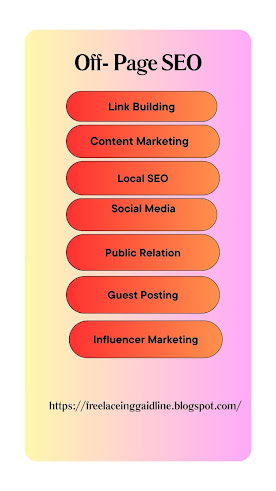
Off-page SEO encompasses various techniques and strategies aimed at enhancing a website's authority, relevance, and trustworthiness in the eyes of search engines. Unlike on-page SEO, which involves optimizing factors within the website itself, off-page SEO primarily deals with external signals and factors that influence a website's ranking in search engine results pages (SERPs). These external factors are crucial indicators of a website's popularity, credibility, and relevance within its niche or industry.
The Importance of Off-Page SEO:
Off-page SEO plays a pivotal role in determining a website's position in search engine rankings. Search engines, such as Google, consider off-page factors as key indicators of a website's authority and trustworthiness. Websites with a robust off-page SEO profile are more likely to rank higher in SERPs and attract organic traffic from relevant search queries. Moreover, off-page SEO helps establish a website's reputation within its industry, fostering credibility and brand recognition.
Key Components of Off-Page SEO:
Backlink Building:
Backlinks, also known as inbound links, are links from external websites that point to your website. They serve as a vote of confidence or endorsement from other websites, signaling to search engines that your content is valuable and authoritative. Quality backlinks from reputable websites can significantly impact your website's search engine ranking and organic traffic. However, it's crucial to focus on acquiring high-quality backlinks from relevant sources, as spammy or irrelevant backlinks can harm your website's reputation and ranking.
Social Media Engagement:
Social media platforms have become integral channels for off-page SEO. Active engagement on social media not only helps amplify your content and reach a broader audience but also generates social signals that influence search engine rankings. Sharing content, interacting with followers, and participating in relevant discussions can enhance your website's visibility and authority. Additionally, social media profiles often rank in search engine results, providing another avenue for users to discover your website.
Content Marketing:
Creating high-quality, informative, and engaging content is fundamental to off-page SEO success. Compelling content not only attracts backlinks from other websites but also encourages social sharing and engagement. By producing valuable content that addresses the needs and interests of your target audience, you can establish your website as a trusted resource within your industry. Content marketing strategies such as guest blogging, infographics, videos, and podcasts can help broaden your reach and attract organic traffic.
Online Reputation Management:
Managing your online reputation is crucial for effective off-page SEO. Building and maintaining a positive online reputation involves monitoring and responding to customer reviews, addressing negative feedback or complaints promptly, and showcasing positive testimonials and endorsements. A strong online reputation not only enhances your website's credibility but also fosters trust among potential customers and clients. Positive sentiment surrounding your brand can lead to increased organic traffic and improved search engine rankings.
Best Practices for Off-Page SEO:
Focus on Quality Over Quantity:
When it comes to backlinks, prioritize quality over quantity. Instead of pursuing a large number of low-quality backlinks, concentrate on acquiring backlinks from authoritative and relevant websites within your industry. Quality backlinks from reputable sources carry more weight in the eyes of search engines and are more likely to positively impact your website's ranking.
Diversify Your Backlink Profile:
A diverse backlink profile comprising a mix of different types of backlinks, such as editorial links, guest posts, social media mentions, and directory listings, is essential for off-page SEO success. Avoid relying solely on one type of backlink, as a diverse link profile appears more natural and is less susceptible to algorithmic penalties.
Engage Authentically on Social Media:
Authentic engagement is key to leveraging social media for off-page SEO. Instead of solely focusing on self-promotion, aim to foster genuine connections with your audience by sharing valuable content, participating in conversations, and responding to comments and messages promptly. Building meaningful relationships on social media can lead to increased brand visibility and loyalty.
Create Compelling Content:
Content remains the cornerstone of off-page SEO. Invest time and resources into creating high-quality content that resonates with your target audience. Whether it's blog posts, articles, videos, or infographics, focus on providing valuable insights, solving problems, and addressing the needs of your audience. Compelling content not only attracts backlinks and social shares but also positions your website as an authority in your niche.
Monitor and Adapt:
Off-page SEO is an ongoing process that requires continuous monitoring and adaptation. Keep track of your backlink profile, social media engagement, and online reputation using analytics tools and monitoring platforms. Analyze the performance of your off-page SEO efforts regularly and adjust your strategies accordingly to stay ahead of the competition and maintain your website's visibility and authority.
Conclusion:
Off-page SEO is a critical component of any comprehensive SEO strategy, playing a vital role in improving a website's visibility, authority, and credibility in the digital landscape. By implementing effective off-page SEO techniques such as backlink building, social media engagement, content marketing, and online reputation management, website owners and marketers can enhance their chances of ranking higher in search engine results and attracting organic traffic. Embrace the strategies outlined in this guide, stay abreast of industry trends and best practices, and watch your website soar to new heights in search engine rankings.
Read More





 Step-by-Step:
How to Create Profile Backlinks
Step-by-Step:
How to Create Profile Backlinks